

4 Unsolved Mysteries of Ancient Egypt That Still Fascinate Visitors
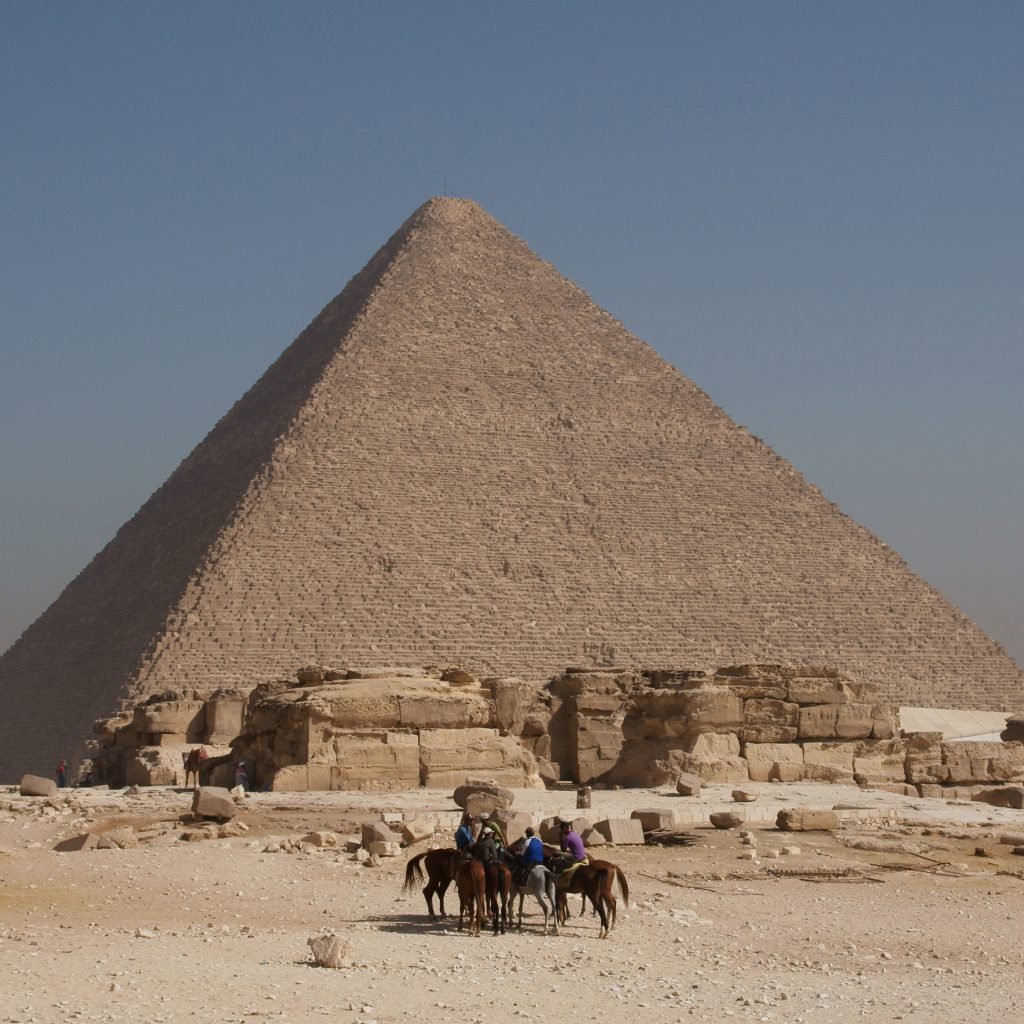
The Great Pyramid of Khufu remains a focus of archaeological research. Photo: Kallerna, Wikimedia Commons, CC BY-SA 3.0. File details and license.
1. What is the purpose of the Great Pyramid’s Big Void?
In 2017, the ScanPyramids research team reported a large internal space above the Grand Gallery of the Great Pyramid. Researchers detected it with muon radiography, a non-invasive method that tracks cosmic-ray particles passing through stone. The finding is real; its purpose is not yet known. It could relate to the pyramid’s construction or internal design, but it has not been entered or examined directly. Calling it a “secret chamber” implies more than the evidence can currently show.
2. Where was Queen Nefertiti buried?
Nefertiti, the influential queen associated with Akhenaten’s reign, has no securely identified tomb or mummy. A long-running proposal suggests that an undiscovered space may extend beyond Tutankhamun’s tomb, KV62, and might be connected with Nefertiti. Geophysical claims and new surveys keep the question in the news, but a detected anomaly cannot by itself identify a burial or its owner. Until archaeological evidence confirms the connection, Nefertiti’s final resting place remains unknown.
3. How exactly did Egyptians build the pyramids?
Archaeology has established a great deal: the pyramids were built by ancient Egyptians, and evidence from workers’ settlements, quarries, transport routes and inscriptions helps explain the organization behind the work. The precise combination of ramps, levers and hauling methods used at each stage is still debated. Rather than a single lost “secret,” the open question is how engineers adapted practical methods to different parts of an enormous building project.
4. Why does the Great Sphinx show its particular weathering patterns?
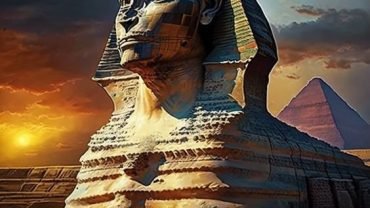
The Sphinx was carved from layered limestone, and its surface has been affected by wind, salt, moisture, changing water conditions and human intervention over millennia. Researchers have disagreed about how much different processes contributed to the visible erosion. The popular claim that the erosion proves the monument is vastly older than the accepted archaeological context is not established. The debate is a useful example of why geology and archaeology must be considered together.
Why these mysteries matter to travellers
At Giza and in Luxor, visitors can encounter the monuments behind these questions in person. A knowledgeable Egyptologist can explain what is documented, what remains a hypothesis and how archaeologists reach their conclusions. That context makes the sites more compelling than any sensational headline.
Planning a visit? Explore private Egypt tours and ask about a guided visit to the Giza Pyramids or Luxor’s ancient sites.
Comment (0)